
Zero Suicide Toolkit for Inpatient Hospitals
The Zero Suicide Toolkit for Inpatient Hospitals is an adaptation of the Zero Suicide Toolkit that provides implementation strategies and resources tailored to the needs of health and behavioral healthcare systems that serve patients in inpatient settings.
Resources can be found in the toolkit adaptation below and on the Inpatient Mental Health resource page. We recommend that Zero Suicide implementers read the Zero Suicide Toolkit before or alongside each section of this toolkit adaptation.
Zero Suicide in Inpatient Hospitals
Implementing the Zero Suicide Model in Inpatient Hospitals
Since 2012, the Zero Suicide model has been successfully implemented across a wide range of healthcare and behavioral health settings—including crisis and emergency departments, outpatient mental health and substance use treatment, primary care, and inpatient hospitals.
This work reflects a growing national recognition that suicide prevention must be a core component of all health care delivery.
The National Strategy for Suicide Prevention
The 2024 National Strategy for Suicide Prevention and its Federal Action Plan reinforce this expectation, calling on healthcare providers to make safer suicide care a priority.
In alignment, The Joint Commission’s National Performance Goal 08.01.01 (formerly National Patient Safety Goal 15.01.01) focuses on improving care quality and safety for individuals at risk for suicide.
While most inpatient hospitals already have suicide prevention protocols in place, the Zero Suicide framework helps organizations go beyond compliance with the goal by adopting best practices, a systemic approach, and a culture committed to eliminating suicide for those in care.
The Need for a Systemic Approach
Suicide prevention in inpatient settings demands more than individual clinical interventions. Gaps in care—especially during transitions between services at various levels of care—can have devastating consequences. The Zero Suicide approach provides a structured framework to close those gaps, strengthen clinical practice, and align teams around the aspirational goal of zero deaths by suicide among patients in care.
Through collaboration with hundreds of healthcare systems, a clear need emerged for a tailored implementation strategy. The Zero Suicide Toolkit for Inpatient Hospitals was developed as a companion to the core Zero Suicide Toolkit, offering practical guidance and resources specific to the inpatient environment—where patients are often at their most vulnerable.
Why Inpatient Suicide Care Matters
Admission to inpatient psychiatric care often follows a suicidal crisis, when an individual is assessed to be at high risk and cannot be safely supported in a less restrictive setting.
To ensure safer care, inpatient teams must consistently:
- Conduct thorough, evidence-based suicide risk screenings, assessments and frequent reassessments.
- Develop collaborative, patient-centered safety plans.
- Engage family members and support systems.
- Provide access to suicide-specific therapeutic interventions.
- Design strong transition plans to ensure continuity of care after discharge.
Although suicides within inpatient units are rare, the risk of suicide in the days and weeks following discharge is alarmingly high—up to 300% higher in the first week and 200% higher within 30 days compared to the general population. While quality measures dictate patients be seen in outpatient settings within 7 days of discharge, community networks often do not have the capacity to see all patients within this time frame. Further, this early care is often limited to an intake evaluation and doesn’t stress the patient-provider connection necessary for return appointments. National data show that many patients never make it to that first appointment, reflecting engagement challenges, patient skepticism, and broader system capacity limitations. There is still much to be done to address these challenges requiring collaboration and creativity across the entirety of the healthcare spectrum.
- Nearly 30% of patients do not complete a single outpatient visit within 30 days post-discharge.
- Up to 70% of patients leaving the ED after a suicide attempt never attend their first follow-up visit.
- The 2015 national average for completing one outpatient visit within seven days of discharge was only 51%.1
These data highlight the urgent need for robust, proactive, and compassionate care transitions, including early and repeated follow-up contacts through calls, texts, letters, or visits—especially after a crisis or missed appointment.
Evidence of Success
Implementation of the Improve element of the Zero Suicide framework—focusing on data collection, fidelity, and outcome monitoring—has produced measurable success:
- Avera Health, a multi-state health system, implemented Zero Suicide in 2016 and achieved a 97% reduction in suicide attempts among previously hospitalized patients within one year.
- Within Universal Health Services (UHS), several inpatient hospitals saw a 21% reduction in 30-day readmissions after improving discharge planning and follow-up care under the Zero Suicide framework.
- AtlantiCare Health System in New Jersey doubled its post-discharge follow-up rate—from 50% to 100%—after implementing a bundle of interventions aligned with Zero Suicide.
A Toolkit for Safer Inpatient Care
This toolkit is designed to help inpatient hospitals integrate Zero Suicide principles into daily practice—offering structured tools, recommendations, and examples from organizations that have achieved measurable results. Its ultimate goal is to support your efforts in making death by suicide a “never event” within your healthcare system.
Together, we can ensure that every patient, especially during their most vulnerable moments, receives care that is compassionate, coordinated, and grounded in the belief that suicide is preventable.
- 1
National Committee for Quality Assurance. (n.d.). HEDIS 2017 final NDC lists. NCQA. https://www.ncqa.org/hedis/measures/hedis-2017-national-drug-code-ndc-license/hedis-2017-final-ndc-lists/
Lead in Inpatient Systems
Lead system-wide culture change committed to reducing suicides.
Effective implementation of Zero Suicide is dependent on the commitment and active involvement of senior leadership. Leadership that is actively engaged and focused on change management practices, prioritizing the readiness, comfort, well-being, input, and skill of staff who care for patients, are those who successfully adopt and sustain Zero Suicide in their organizations.
On inpatient psychiatric units, staff do the demanding work of caring for acutely suicidal individuals. Senior leadership is fundamental in setting the organizational culture that is essential to Zero Suicide. Leadership sets the standard for how to effectively engage, support, and motivate the staff who are on the front lines of this work.
Leadership responsibilities extend beyond just setting a vision. They must also actively monitor progress, celebrate milestones, and identify and address barriers to implementation.
By doing so, they not only recognize and honor the challenging work of their teams but also create a supportive environment that fosters continuous improvement which reinforces that suicide prevention is not just a priority, but a shared mission embedded within the organization's values.
Implementation Team
It is best practice for more than one person to be responsible for driving the organizational change that is part of Zero Suicide. While senior leadership plays a crucial role in setting the vision and the culture, the implementation team is responsible for translating that vision into actionable steps.
Gathering an implementation team from a diverse group of individuals brings together varied perspectives, skills, and expertise, which collectively strengthen decision making and problem-solving efforts. This collaborative approach supports the integration of organizational changes in different areas of the organization.1
The members of the implementation team are your first Zero Suicide champions. Team membership does not have to remain static. Sometimes you might need to add a person for a specific area (i.e., bringing in the IT person when planning changes to the EHR).
In hospitals, the Risk Manager should be a part of the implementation team given their unique role in patient safety. Those responsible for patient safety initiatives, accreditation, and quality metrics should also be a part of these efforts. Adding new people will increase the number of Zero Suicide champions you have and bring fresh ideas and perspectives to the work.
For more detailed recommendations for members of the implementation team, see the Lead element in the main Zero Suicide toolkit and note the Implementation Team tab.
Once implementation is well underway and you are moving towards sustainability of the Zero Suicide framework, keeping the implementation team active maintains focus on continuous quality improvement and fidelity to the model. Zero Suicide is an ongoing journey.
Lived Experience Expertise
The 2024 National Strategy for Suicide Prevention calls for the inclusion of people who have lived experience of suicide care—also known as experts by experience and peer support—when developing and implementing policies, procedures, and workflows that impact patient care.
“Individuals using the health care system can benefit most when services are delivered in a way that respects cultural and spiritual traditions. Further, individuals with suicide-centered lived experience can offer invaluable insight and leadership to improve suicide preventive care.”
— National Strategy
Including the insights and recommendations of individuals with lived experience in an inpatient setting is vital to creating environments that are supportive, person-centered, and trauma informed. Organizations should actively look to hire people who have lived experience in leadership, supervisory, and direct care positions.2
By consulting with people who have personally navigated the healthcare system, organizations can identify and address practices that may be distressing or re-traumatizing.
Learning from Lived Experience
Implementing feedback from persons with lived experience helps ensure that inpatient care environments prioritize safety, dignity, and empathy, while fostering a healing atmosphere that supports recovery.
Ensure people with lived experience are actively engaged on your implementation team, and as Zero Suicide champions.
Consider that the power differential between people in clinical roles and people without clinical credentials can be inherent in healthcare organizations and build in systems to ensure that all members of the implementation team feel safe to participate in open and honest discussion.
Should individuals with lived experience come from outside the organization to consult to the health care system, they should be compensated for their time and contributions.
Inclusive Implementation
When you include someone who has lived experience of receiving inpatient suicide care you do not need to know their story to include and value their perspective and recommendations.
Hire peer support workers and value the expertise they bring to the care team by giving their suggestions and recommendations equal weight as other care team members.
In an inpatient setting, peer support workers should be encouraged to:
- Develop collaborative safety plans with patients and help them utilize their coping skills
- Promote a safe environment and patients’ individual feelings of safety
- Lead and encourage patients to engage in activities
- Help patients to focus on their strengths
- Assist patients to adopt skills and goals for recovery
- Listen and collaboratively develop coping strategies
- Connect with patients by sharing their own lived experience
- Support patients to eat and care for themselves
- Empower patients to brain-storm solutions to problems3
- Engage families by helping them understand the recovery process and ways they can support their loved one
- Advocate for patient needs by ensuring their voices are heard in treatment planning, helping bridge the gap between patients and clinical staff
- Facilitate community connections by helping patients identify and connect with community resources to promote ongoing engagement post discharge
- Engage peer support organizations in your community—you might be able to contract with a peer support organization (like NAMI or Mental Health America) to include a peer worker with lived experience of suicide care on your Zero Suicide implementation team
Organizational Self Study
Most successful inpatient organizations begin their Zero Suicide journey by completing the Zero Suicide Inpatient Organizational Self Study. This tool is best completed by the implementation team or a team of diverse staff working together with a goal of understanding the organization’s unique strengths and identified areas of opportunity. Results can assist the team in focusing their initial implementation efforts.
The results of the Organizational Self Study can be used to create action steps for implementation as well as serve as a baseline to monitor progress. Successful inpatient organizations repeat the self-study yearly or bi-annually to promote fidelity and sustainability as a best practice. Systems that adopt more Zero Suicide best practices have seen a reduction in suicide behaviors among patients.
Once your initial Organization Self Study is complete you can use the Zero Suicide Work Plan Template for inpatient facilities to help plan out key activities. Many organizations start with adapting policies and protocols related to suicide screening, assessment, risk formulation, and how to respond to patients with elevated suicide risk.
Postvention
Suicide loss has wide-reaching effects on families, caregivers, and communities. When a suicide occurs during an inpatient hospital stay, the impact extends to family members, hospital staff, and other patients receiving care at the time. Although inpatient suicide is a rare event, it does occur. When it does, it is important to provide coordinated support for the individual’s family, staff members, and others within the care environment who may be affected.
It is important to know that postvention is suicide prevention. Postvention comprises the activities supporting those affected by the death of someone to suicide. These are vital for many reasons but also because exposure to the suicide death of someone can increase the risk of suicide in survivors, including health care workers.
Family members and loved ones are often significantly affected and may require emotional support and, in some cases, mental health services. Providing support can be complex due to considerations related to potential liability, HIPAA regulations, and organizational policies. In some instances, families may decline outreach from hospital staff or affiliated providers.
The impact also extends throughout the hospital community, affecting other patients, clinical and support staff, supervisors, and organizational leaders.
Organizational response should align with established policies, procedures, and legal guidance. Clear, thorough documentation of clinical decision-making and post-event actions is considered best practice and can help reduce legal and regulatory risk. Communication should be handled with professionalism, transparency, and compassion.
Just Culture
The Zero Suicide framework is grounded in the principles of a just culture, which in healthcare emphasizes learning and continuous improvement. A just culture views errors and near misses as opportunities to strengthen systems rather than occasions for individual blame. When incidents occur, the focus is on understanding how processes, environments, or safeguards may have failed both patients and staff.
In a just culture, staff are encouraged to report concerns without fear of punishment. Psychological safety is prioritized so individuals feel comfortable speaking up. While intentional policy violations, fraud, or gross misconduct are addressed appropriately, the approach recognizes that human error is inevitable and seeks a balanced response that supports accountability while improving systems. Staff may need coaching, additional training, or resources—not shame or ostracism.
Healthcare organizations are responsible for creating environments that make it easy to do the right thing and difficult to do the wrong thing. Leadership plays a central role in building trust, transparency, and open communication. A supportive culture can reduce turnover, strengthen workforce stability, and ultimately enhance patient safety.
A just culture also aligns with the goals of a High Reliability Organization (HRO), which emphasizes adaptability, learning, and sustained attention to safety. Even in systems striving for excellence, incidents may occur. Planning for how staff will be treated and supported following an event is therefore essential.
Language matters as well. How leaders and teams speak about patients and colleagues—during meetings, reviews, and root cause analyses—shapes organizational culture. Consistent, respectful communication reinforces psychological safety and promotes meaningful learning from adverse events.4
Worker Wellness
Researchers found that open communication and allowing space for people to experience emotions related to incidents and errors were important to creating a just culture.5 Staff who work at inpatient facilities may experience traumatic incidents. These might be directed at the staff member, or the staff member is a witness to a traumatic event. Staff can develop posttraumatic stress disorder, secondary trauma, burnout, and compassion fatigue which can lead to more errors. Allowing time in a supportive space for emotional expression and debriefing can improve staff morale and is part of a Just Culture. Having a written plan or policy for postvention that includes staff support following a critical incident is considered best practice and supports the concepts of a Just Culture.
The Zero Suicide toolkit includes resources dedicated to supporting worker wellness: Resources for Healthcare Worker Wellness.
Healthcare and behavioral healthcare workers have high rates of burnout and compassion fatigue. It is the organization’s responsibility to manage the policies, procedures, and workflows that contribute to burnout and increase ways to support and care for their staff.
Worker wellbeing is enhanced by:
- Organizational culture change
- System-wide changes, not just individual interventions
- A diverse and inclusive workforce
- A workforce that feels competent and prepared
- Technology that reduces burden, redundancies, and unnecessary processes
- Flexibility and autonomy for workers
- Reducing stigma related to help-seeking for behavioral health concerns
- A chief wellness officer
- Rest and meal breaks
- Opportunities to debrief immediately following difficult experiences
- Bully-free workplaces
Accreditation
As your health care organization works to achieve or maintain accreditation, note that Zero Suicide aligns with accreditation standards that are designed to improve the quality and safety of care for those who are identified as at risk for suicide.
As your system works on initial accreditation or renewals, you can integrate the effort to align your Zero Suicide work. For example, as you review policies prior to a survey, you can update these policies to reflect the changes in clinical practice implemented to support the Zero Suicide elements and best practices in safer suicide care.
Similarly, when training plans are reviewed for accreditation compliance, highlight the focused suicide specific training you have provided, or plan to provide, to all staff (clinical and non-clinical staff).
Focusing on the process and outcome metrics your organization is specifically tracking to ensure fidelity to the Zero Suicide clinical practice changes is another way to align your accreditation focus with your Zero Suicide journey work.

This crosswalk will help organizations accredited by The Joint Commission (TJC) understand how Zero Suicide supports TJC suicide prevention requirements.
Zero Suicide experts developed a video series Zero Suicide: Meeting Accreditation Standards that provides guidance and observations on how to meet the Joint Commission’s National Performance Goal (NPG) 08.01.01 (formerly National Patient Safety Goal 15.01.01.
While meeting NPG 08.01.01 standards is not the equivalent of adopting and implementing the full Zero Suicide framework, there is overlap and the Zero Suicide website provides additional information about implementing comprehensive evidence-based suicide care.
- 1
Peng, J., Li, M., Wang, Z., & Lin, Y. (2021). Transformational Leadership and Employees’ Reactions to Organizational Change: Evidence From a Meta-Analysis. The Journal of Applied Behavioral Science, 57(3), 369–397. https://doi.org/10.1177/0021886320920366
- 2
Gray, B., & Sisto, M. (2024). Peer Support Work in Hospital: A First Person and Lived Experience Guide. Schizophrenia Bulletin Open, 5(1), sgad035. https://doi.org/10.1093/schizbullopen/sgad035
- 3
Gray, B., & Sisto, M. (2024). Peer Support Work in Hospital: A First Person and Lived Experience Guide. Schizophrenia Bulletin Open, 5(1), sgad035. https://doi.org/10.1093/schizbullopen/sgad035
- 4
van Baarle, E., Hartman, L., Rooijakkers, S., Wallenburg, I., Weenink, J.-W., Bal, R., & Widdershoven, G. (2022). Fostering a just culture in healthcare organizations: Experiences in practice. BMC Health Services Research, 22(1), 1035. https://doi.org/10.1186/s12913-022-08418-z
- 5
Peta, D., & Navarroli, J. E. (2024). Supporting a Healthy Work Environment and Just Culture in the Emergency Care Setting. Journal of Emergency Nursing, 50(2), 305–311. https://doi.org/10.1016/j.jen.2024.01.004
Train in Inpatient Settings
Train a competent, confident, and caring workforce
Training is a crucial aspect of Zero Suicide. Many healthcare and behavioral healthcare professionals receive little or no training in suicide care in their education programs and organizations must fill in the gaps in their knowledge and skills.
A study of 847 behavioral health professionals found that at least one-third did not have any formal training in suicide screening, assessment, or treatment. In another study of 2,257 mental health professionals, it was found that gaps in knowledge of suicide prevention impacted the professionals’ ability to effectively support their patients.1
Research shows that training improves professionals’ perception of their skills and confidence related to working with people at risk of suicide When providers of mental health care perceived that they had sufficient training, they felt more efficacious and had more positive attitudes towards patients with suicidal thoughts and behaviors.
In a study of 20 professionals who had experienced the death of a patient while receiving treatment at a psychiatric facility, a common theme was that they felt unprepared to manage the suicidal behavior of these patients.
Inpatient Training
As it pertains to Zero Suicide and suicide care in inpatient systems, training means that individuals who deliver treatment directly or who engage in patient interactions indirectly receive training particular to their role and responsibilities, as well as how to recognize and respond to suicide risk.
For example, if a patient is on 1:1 precautions or 15-minute checks, the staff member who is providing this level of oversight would be trained on the goal and purpose of 1:1s or 15-minute checks. This includes more than monitoring for patient safety. It is an opportunity to make a meaningful connection with the individual through eye contact, brief conversation, warmth, and empathy.
Established protocols need to be in place should the patient mention thoughts of suicide that include educating the staff person about how to be appropriately supportive. All staff, regardless of role, should have a basic understanding of what a safety plan is, how it is used, and what treatment entails, such that they appreciate their unique role within the context of care.
Similarly, nurses or others who manage medical issues or medication should be familiar with their safety plan, and how to respond to a patient’s disclosure of suicidal thoughts and behaviors.
Workforce Survey
Staff who work in psychiatric facilities, including non-clinical staff who come onto the unit, should be assessed for their skills, knowledge, comfort, and confidence in caring for patients at risk of suicide. The Zero Suicide Workforce Survey is an assessment tool used by organizations to determine where to focus their training efforts.
This survey is generally done anonymously at the beginning of the Zero Suicide journey although it can provide useful information no matter when it is completed. It is recommended that the survey be repeated at intervals appropriate for the organization. Some organizations repeat the survey annually or when there has been significant turnover or staff expansion.
After the Workforce Survey is completed, the results can be used to formulate next steps in developing a training plan. If the Workforce Survey is completed through the portal on the Zero Suicide website, organizations will receive a report summarizing the results.
Training on the “How”
Comfort and confidence can be difficult to teach in traditional forms of training. These attributes are very important and connect to the “how” of screening, assessing, intervening, and treating individuals at risk of suicide. Each of these elements create an environment of safety for an individual seeking care in a facility.
Patient satisfaction studies can provide a view into the needs of individuals in care. An analysis of 11 studies of patient experiences found the following themes that were important to patients: collaborative and inclusive care, supportive relationships, and a safe and therapeutic environment.vi
In an inpatient environment, safety is of utmost importance, however, to patients, safety includes more than the physical environment. Patients expressed the need to feel protected, in control, and connected with others during their treatment.2
An analysis of 72 studies from 16 different countries found that the quality of relationships between patient and providers, having a supportive and safe physical and social environment, and the importance of authentic patient-centered care affected whether a patient felt satisfied with the treatment they received at a psychiatric facility.
Transparency about care and inclusion of family or support people was also important to these patients.3
Training Plans
Training plans are used to organize the “what” and “when” of training staff. The frequency of retraining should be included in a training plan. Skills and knowledge can diminish or divert from fidelity over time. Training plans are often organized by role, to ensure all employees in a certain role receive specific trainings appropriate to their role.
Taking staff off the floor of the inpatient unit so that they have time to attend training can be challenging. Further, staff who participate in training need to be compensated for their time if it is outside of their work hours.
Many suicide specific trainings can be completed asynchronously, to allow for starting and stopping of the training which can ease scheduling difficulties. Additionally, training can be done in smaller amounts of time, such as during regularly occurring meetings where suicide specific protocols are reviewed for all staff at the same time.
Non-Clinical Staff
Health care systems on the Zero Suicide journey embrace the concept that safer suicide care and suicide prevention is everyone’s job within the organization.
Staff in non-clinical roles should also receive training in suicide prevention even if they do not have patient-facing roles (e.g., billing, IT, janitorial, dietary). There are gatekeeper trainings that can provide staff important knowledge and understanding that will enable them to respond and obtain support from other staff if they feel that a patient they encounter is having suicidal thoughts or behaviors. They should also be trained in any applicable policies or changes that impact their workflow.
Clinical Staff
Training focused on treatment approaches that are designed to reduce suicidal thoughts and behaviors should be provided for all those in clinical roles. Additional training on policies, procedures, workflows, and interventions appropriate to their patient interactions will be needed as implementation of the Zero Suicide framework leads to changes in clinical practice.
Learn more about treatments that work: the Treat element of Zero Suicide. The webinar Evidence-Based Treatments for Suicide Prevention provides an excellent overview of evidence-based treatments.
Clinical supervisors will participate in training and help develop a plan to monitor documentation of and fidelity to the use of the chosen evidence-based treatments. This could include the use of technology-supported monitoring through companies that provide feedback to leadership on overall workforce strengths and weaknesses to assist with training plans and continuous quality improvement.
Retention of knowledge and skills can wane post-training. It is essential to create ways to support staff after training through clinical supervision and feedback.
- 1
Cross, W., Matthieu, M. M., Lezine, D., & Knox, K. L. (2020). Suicide prevention skills, confidence and training: Results from the Zero Suicide Workforce Survey. SAGE Open Medicine, 8, 2050312120933152. https://doi.org/10.1177/2050312120933152
- 2
Wood, L., Alsawy, S., Seshadri, A., Jones, P. B., & Shiers, D. (2023). Patient experiences of psychiatric inpatient care: A systematic review of qualitative evidence. International Journal of Mental Health Nursing.
- 3
Staniszewska, S., Mockford, C., Chadburn, G., Fenton, S.-J., Bhui, K., Larkin, M., Newton, E., Crepaz-Keay, D., Griffiths, F., & Weich, S. (2019). Experiences of in-patient mental health services: Systematic review. The British Journal of Psychiatry, 214(6), 329–338. https://doi.org/10.1192/bjp.2019.22
Identify in Inpatient Settings
Identify individuals with suicide risk via comprehensive screening and assessment
Individuals who are admitted to a psychiatric facility or unit for care, whether it is for a suicidal crisis or other psychiatric concerns, should be screened for suicide at intake and regularly throughout their time in the hospital. Many psychiatric facilities screen every shift as well as when an individual’s affect, clinical presentation, or demeanor warrants additional screening.
Screening
Suicidal crises can develop quickly, and it is important that regular screening with an evidence-based or evidence-informed screening tool, which is appropriate for the time the patient is being screened, is used (i.e., screening at intake compared to screening during a shift). There is no one recommended screener for use in all inpatient settings. Organizations will need to review those available and select the tool that best meets your organizational needs. Some examples of evidence-based screening tools used by organizations following the Zero Suicide model include the Columbia Suicide Severity Rating Scale (C-SSRS), which has numerous versions, the Ask Suicide Screening Questions (ASQ), the Patient Safety Screen (PSS-3) and the Patient Health Questionnaire (PHQ-9), which is a depression screen that has an added ninth question specifically to ask about thoughts of suicide.
Here are multiple reasons why regular screening is recommended in a psychiatric facility:
- Side effects of new medications can contribute to suicidal thoughts
- Withdrawal from substances can increase suicidal thoughts
- Individuals who are involuntary hospitalized might not be completely transparent about their thoughts and feelings
- Stressors outside of the hospital can increase thoughts of suicide
- Regular screening for suicide can help determine when transition to a less restrictive level of care is appropriate
- Screening utilizing a person-centered, recovery-oriented, and trauma-informed approach can lead to reduced stigma
- Contact with family or friends can impact thoughts of suicide
It’s also important to be aware of the issues that can develop from frequent screenings. Staff can become accustomed to the language, and their delivery can become rote and disconnected. This can give patients the feeling that the staff do not care about them and then patients might be less open about their thoughts of suicide and less interested in engaging in any therapeutic interventions (e.g., group therapy, safety planning).
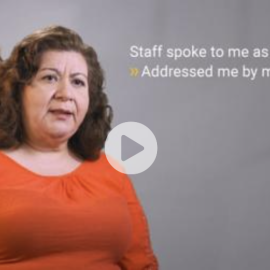
Lived Experience expert Diana Cortez-Yanez relates the care she received that made a positive impact on her recovery.
The “how” of identification is important no matter the time or setting. Being present, showing care and compassion, and being trauma-informed (i.e., being attentive to the individual, creating a safe space, recognizing signs of trauma responses) increase the chances that patients will be open and transparent about their suicidal thoughts and behaviors. Ensuring that all team members conducting suicide screening are comfortable and competent to ask directly about suicide using the selected screening tool increases patient reliability and engagement early in the treatment process.
Best practice for routine inpatient screening is generally considered once a shift. Additional screening may be indicated, based upon clinical judgement, when the patient’s demeanor, affect, or behavior changes in a way that may indicate an increase in their risk state. Other factors that may precipitate a need for additional screening include when potential precipitating events or patient identified stressors occur (i.e., negative news like a partner leaving them, infidelity, job or housing loss, financial stressors). These events can also increase an individual’s risk state very quickly.
The words on the screening tool should not be the first words that a staff member says to a patient when asking about suicidal thoughts and behaviors. It is helpful to inquire about the patient’s general well-being at first (i.e., ask if they need a blanket or water) before moving into the screening and assessment of suicide risk.
Risk Assessment
Once a screener indicates a person is at risk for suicide, a thorough risk assessment must occur. The Joint Commission requires an evidence-based process to assess suicide risk after a positive screening. This assessment must include questions related to the individual’s thoughts of suicide, if they have intent or a plan, if they have any self-injurious behaviors or preparatory suicidal behaviors, and the identification of risk and protective factors. Some hospitals use different forms of the C-SSRS, Assessing and Managing Suicide Risk (AMSR), or the SAFE-T to specifically assess these required factors.
Any assessment should include clinical judgment as there are individual determinants that will influence a patient’s level of risk that are not encompassed by a standardized assessment tool.
Risk is fully assessed including current and past suicidal thoughts and behaviors, risk and protective factors, any precipitating events or identified stressors, warning signs, and details of any past or present suicidal thoughts and behaviors. The areas of assessment could vary depending on what assessment tool or process is used. Utilization of an evidence-based or evidence-informed assessment tool or process is considered best practice.
There are numerous different options for screening and assessment tools. The screening and assessment sections of the Identify element in the general Zero Suicide Toolkit lists many options that organizations can review.
The results of the assessment at intake, which include clinical judgment from an assessor that is competent in the assessment of suicide risk, help determine the risk level for a patient. The risk determination can then be utilized to determine an individualized plan of care, including necessary precautions that are taken to maintain patient safety (e.g., 1:1 observation, 15-minute checks, medicine checks). The full suicide risk assessment also informs the development of an individualized collaborative safety plan.
Best practice to ensure a thorough suicide risk assessment is to utilize multiple sources of information whenever possible. In addition to the information elicited from the patient, communication with key contacts, such as family, and review of any available medical records can support the development of a more comprehensive assessment and plan of care.
Any time a patient screens positive for suicide after the initial screening, a full assessment is completed which includes environmental specific questions (i.e., if they have a plan to die by suicide in the hospital asking about what means they are considering). This full assessment might contribute to a change in risk determination, which would then correspond to a change in precautions and the individual plan of care.
A suicide death of an individual in a hospital is a rare event, but it does happen and screening for suicide is an elemental aspect of determining risk and corresponding safety precautions. Since it is not possible or appropriate to have every person who indicates any level of suicide risk on a one-to-one observation, both routine and observation-based screening for suicide is vital to the safety of individuals. Organizations should develop policies and protocols that clearly indicate when routine screening and assessing takes place and how to determine when an observation-based screening is appropriate.
The evidence-based process for assessing suicide risk culminates in a clinical formulation tailored to the individual. Hospital systems should have a consistent, standardized method to guide how this formulation informs treatment planning and any necessary precautions. Many organizations that use the Columbia Suicide Severity Rating Scale (C-SSRS) incorporate its structured outputs to support clinical decision-making.
Other assessment processes, such as AMSR, use a risk formulation that connects to the individual’s context, (i.e., comparing current risk to baseline or another meaningful point in time). Risk state is then categorized as higher than, lower than, or similar to the patient’s baseline or another identified point in time. Sometimes these formulations are used alongside score-based assessment tools or as a standalone.
This approach focuses on understanding changes over time and the factors contributing to those changes, rather than assigning a score or category. These formulations may be used alongside structured assessment tools or independently to guide care. This individualized formulation is often used to determine appropriate care pathways (see the Engage element in the Zero Suicide toolkit). Recently, suicidology experts have discussed the concept of “relative stability” as a way to guide decisions about the level and types of care that may be most beneficial. Because suicidal thinking can persist for some individuals, understanding changes in risk and relative stability can provide important context for determining safety planning, interventions, and ongoing treatment.
Interdisciplinary Team Communication
Individuals with an elevated level of risk for suicide are prioritized for discussion in treatment team meetings to relay concerns, plans, precautions, and helpful interventions to other team members. Inter-disciplinary teams that include staff from different inpatient roles can increase the information shared about patients and help create a more holistic care environment. Shift to shift reports and ongoing team communication can be used to communicate changes in patient risk levels and share identified patient stressors, coping strategies and any patient specific actions implemented for safety.
Results of all screening, assessment, interventions, changes in precautions, and response to treatments are documented in the medical record (electronic or paper) to ensure all relevant healthcare professionals within the system have access to the information.
Engage in Inpatient Settings
Engage all individuals at risk of suicide using a suicide care management plan.
Engagement begins the moment an individual at risk for suicide enters the healthcare system. Because this first contact often occurs during crisis, a person-centered, trauma-informed environment is essential. It builds trust, promotes safety, and lays the foundation for collaborative, therapeutic care.
Meaningful engagement grows through education, reassurance, and hope. Explaining what treatment involves—and why it works—while offering safety planning and validation helps individuals feel heard and involved. When people believe that care is truly collaborative, participation and outcomes improve.
Transparency about hospital routines and expectations fosters safety and reduces anxiety. Patients should understand the purpose of hospitalization, their role in recovery, and how early safety planning supports long-term wellness.
Individuals receiving care in a facility specializing in psychiatric services can expect to be educated about:
- Why regular screenings and assessments occur
- Precautions that a person might have implemented for their safety
- What happens if there is a crisis or emergency, for them or other patients
- Attendance and participation in group sessions
- How often will they see the doctor and how long are those sessions
- How are medication concerns taken care of, and who does the individual talk to when they have questions about their medications
- Expectations regarding meals, visitors, access to phone, the internet, and personal belongings
- Plans for transition to follow-up care beginning at the time of admission
- Participation of family and other support persons in treatment sessions to learn how to best provide supportive care
Treatment Plan (Suicide Care Management Plan)
A treatment plan ensures that individuals at risk for suicide receive continuous, collaborative, and individualized care. In inpatient settings, this plan guides both the patient and care team throughout the stay.
An effective treatment plan includes a jointly developed safety plan, strategies for lethal means safety, and personalized treatment goals. It integrates clinical approaches that directly target suicidal thoughts and behaviors—now a recognized hallmark of quality care. The plan should also include interventions addressing social determinants of health that influence risk and recovery. Safety remains the focus both during hospitalization and through transition to follow-up care. Plans should be reviewed and updated regularly with the patient and family or support persons, when possible.
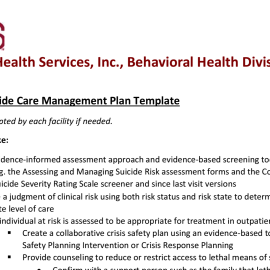
Universal Health Services, Inc., Behavioral Health Division has shared a detailed suicide care management plan template for inpatient hospital settings.
Collaborative Safety Planning
Collaborative safety planning is an evidence-based intervention tailored to each individual. One of the most widely used models is the Stanley-Brown Collaborative Safety Plan, designed to strengthen coping skills, distress tolerance, and self-efficacy.
Inpatient hospitalization provides a safe space for practicing these strategies. Through regular interactions—15-minute checks, 1:1 conversations, and group sessions—staff can reinforce skills and update the plan as needs evolve. When used this way, safety planning becomes a dynamic, ongoing conversation that strengthens the individual’s sense of agency and support.
Because nearly one-third of patients fail to complete an outpatient visit within 30 days of discharge,1 discharge safety planning must extend beyond the hospital. Plans should include practical steps for managing triggers and reducing access to lethal means—such as secure medication dispensing or firearm removal. Sharing the plan with family or support persons ensures everyone understands their role in maintaining safety. Regulators also require that an updated safety plan be in place before discharge.
Lethal Means Safety
Lethal means safety in inpatient settings has two essential goals: ensuring immediate safety during hospitalization and reducing risk after discharge.
During inpatient care, safety depends on close monitoring and a secure environment. The Joint Commission does not explicitly require continuous 1:1 observation for patients with high suicide risk. They do require that the facility follow its policy and tailor interventions to ensure patient safety. Many facilities use 15-minute checks—but research shows these alone are not sufficient. They should be combined with personalized care, therapeutic engagement, and vigilant environmental safety.2
Staff conducting checks must recognize warning signs, understand their purpose, and approach each interaction with empathy. Brief, genuine engagement during checks helps patients feel seen and supported while allowing staff to detect subtle changes in mood or behavior.
The Joint Commission has recommendations of resources to increase safety in the therapeutic environment.
After discharge, lethal means safety focuses on reducing access to methods of self-harm. Transition planning should include concrete steps to create time and distance between the individual and any potential means, such as firearms or medications. These measures—temporary removal, safe storage, or limited dispensing—are critical for maintaining safety at home.
Engagement of Support People
Engaging supportive people, including family members, friends, or others identified by the patient, is a crucial part of care. With permission, their involvement can foster connection and encouragement during crisis and recovery.
Support people should receive education about the patient’s condition, how external stressors influence suicidal thoughts and behaviors, and practical ways to offer help. Guidance should cover both inpatient support and post-discharge follow-up.
Engagement must respect the individual’s definition of support. Recognizing and including trusted relationships of all kinds strengthens continuity of care and promotes recovery.
- 1
National Committee for Quality Assurance. (n.d.). HEDIS 2017 final NDC lists. NCQA. https://www.ncqa.org/hedis/measures/hedis-2017-national-drug-code-ndc-l…
- 2
Ligature and/or Suicide Risk Reduction—Monitoring Requirements | Behavioral Health | National Patient Safety Goals NPSG | The Joint Commission. (n.d.). Retrieved September 23, 2024, from https://www.jointcommission.org/standards/standard-faqs/behavioral-heal…;
Treat in Inpatient Settings
Treat suicidal thoughts and behaviors using evidence-based treatments.
Treating suicidal thoughts and behaviors directly is a core element of the Zero Suicide framework. In 2022, over 16 million people in the U.S. reported serious thoughts of suicide, however, only a small number of those will go on to die by suicide.1
Inpatient care offers a unique opportunity to deliver suicide-specific treatment. Care is designed to mitigate immediate risk, provide crisis stabilization, begin treatment and medical management, and prepare individuals for continuing care after hospitalization. If evidence-based, suicide-focused psychotherapy has been reliably provided, then a patient’s suicidal suffering can be reduced, leading to reduced readmissions, and more importantly, individuals who not only survive, but thrive.
Treatment Modalities
People who have experienced a suicidal crisis or become suicidal while they are on inpatient units should be provided suicide-specific treatments and interventions that directly target the suicidal thoughts and behaviors. These treatments are often provided over a longer period than the length of most inpatient admissions. However, they can be started while inpatient and continue after transitioning out of inpatient care.
In general, these treatments are aimed at decreasing suicidal thoughts, decreasing the risk of a future suicide attempt, increasing coping and reasons for living, and building hope. Psychotherapy can help people understand and address what is driving their distress, reduce their suffering, and build coping skills regardless of diagnosis.
Recommended Individual Treatments
Collaborative Assessment and Management of Suicidality (CAMS)
In the CAMS framework, the patient is the co-author of their own treatment plan developed collaboratively with the clinician. The patient and clinician work to understand the drivers of the person’s thoughts and CAMS is proven to resolve suicidal ideation in as few as 6 sessions, decreasing hopelessness and increasing hope, leading to a life worth living with meaning and purpose. Further, CAMS creates a stronger alliance between the patient and therapist.2, 3
Dialectical Behavior Therapy (DBT)
The most proven treatment with a well-established impact on suicide attempts and self-harm behaviors is Dialectical Behavior Therapy (DBT—Linehan, 1993). In short, DBT is an intensive team treatment that emphasizes 1) skills group, 2) individual therapy (supporting DBT-based skills), 3) phone-coaching to practice skills, and 4) consultation support of the treatment team (Linehan, 1993). The use of DBT reduces suicidal and self-harm behaviors.4
Brief Cognitive-Behavior Therapy Inpatient (BCBT)
BCBT focuses on increasing the patient’s problem-solving and crisis management skills, understanding their patterns of suicidality, and developing a new sense of self. Given the briefness of typical inpatient admissions, a 4 session BCBT was evaluated and found to reduce suicide attempts 60% in the 6 months post discharge and reduced suicidal ideation for up to two months after discharge.5
Cognitive Behavioral Therapy for Suicide Prevention (CBT-SP)
CBT-SP focuses on underlying issues that contribute to a patient’s suicidal thoughts and behaviors. Patients will develop long term coping skills and a positive cognitive framework to address their suicidality.6
See the Treat Element for additional information about these interventions. For specific information about treating children and youth, visit the Zero Suicide Toolkit Adaptation for Children’s Hospitals.
Group Therapies
Group therapies are often the primary modality of treatment utilized in inpatient care. The following describes those group treatments most commonly used:
DBT Skills Group
DBT Skills Groups focus on teaching and practicing skills including distress tolerance, emotional regulation, mindfulness, and interpersonal effectiveness. Research showed that while DBT did reduce suicidal behavior, the effect was superior when DBT skills group therapy was included. DBT skills groups are conducive to the inpatient environment because 1 or 2 skills can be taught and practiced in a single session.7
CBT Skills Group
CBT skills and techniques can also focus on 1 or 2 skills taught in a single group therapy session.
Collaborative Safety Planning Group
Collaborative safety planning is an important intervention and should begin early in a patient’s stay. (see the Engage tab for more information about collaborative safety planning). Safety Planning groups can help patients develop their own safety plan, teach them how to use their safety plan, brainstorm solutions to barriers of using their safety plan, and how they can include their support people.
Psychoeducation and Awareness Group
Groups can also be delivered for families and the support people of hospitalized individuals. Myths and stigma about suicide are still prevalent and it is important to dispel myths like “asking about suicide will give someone the idea to do it” or that a suicide attempt is “attention seeking” or “manipulative.” These groups focus on providing families and support people with concrete things they can do to help their loved one.
Safety Planning and Lethal Means Counseling
Update Safety Plan and Lethal Means Counseling
Despite efforts on the part of inpatient staff, according to the HEDIS data set, nearly a third (30.3 percent) of patients do not complete a single outpatient visit in the first 30 days after inpatient behavioral health care in the United States.8 Therefore, a safety plan must be updated that addresses skills, triggers, and supports that an individual can use out of the psychiatric unit.
The safety plan must include a conversation about lethal means safety, which could include removing access to a firearm or promoting single dispensing of pills rather than access to the entire prescription. This should be shared with the patient and anyone included in the safety plan so that they understand their role.
Include Peer Specialists as Part of Treatment
Trained peer specialists have a personal experience with mental health care and are themselves in recovery. Peer specialists can positively connect with the patient from a personal perspective to provide social and emotional support, to answer questions about the inpatient stay and life after hospitalization, to offer hope for recovery, and to help problem-solve practical concerns.
- 1
Center for Behavioral Health Statistics and Quality (CBHSQ). 2022 National Survey on Drug Use and Health (NSDUH) Annual National Report. Substance Abuse and Mental Health Services Administration. Available at: https://www.samhsa.gov/data/report/2022-nsduh-annual-national-report (Accessed December 5, 2023).
- 2
Santel, M., Neuner, F., Berg, M., Steuwe, C., Jobes, D. A., Driessen, M., & Beblo, T. (2023). The Collaborative Assessment and Management of Suicidality compared to enhanced treatment as usual for inpatients who are suicidal: A randomized controlled trial. Frontiers in Psychiatry, 14. https://doi.org/10.3389/fpsyt.2023.1038302
- 3
Jobes, D. A., Comtois, K. A., Gutierrez, P. M., Brenner, L. A., Huh, D., Chalker, S. A., Ruhe, G., Kerbrat, A. H., Atkins, D. C., Jennings, K., Crumlish, J., Corona, C. D., Connor, S. O., Hendricks, K. E., Schembari, B., Singer, B., & Crow, B. (2017). A Randomized Controlled Trial of the Collaborative Assessment and Management of Suicidality versus Enhanced Care as Usual With Suicidal Soldiers. Psychiatry, 80(4), 339–356. https://doi.org/10.1080/00332747.2017.1354607
- 4
Linehan, M. M., Korslund, K. E., Harned, M. S., Gallop, R. J., Lungu, A., Neacsiu, A. D., McDavid, J., Comtois, K. A., & Murray-Gregory, A. M. (2015). Dialectical Behavior Therapy for High Suicide Risk in Individuals With Borderline Personality Disorder: A Randomized Clinical Trial and Component Analysis. JAMA Psychiatry, 72(5), 475. https://doi.org/10.1001/jamapsychiatry.2014.3039
- 5
Diefenbach, G. J., Lord, K. A., Stubbing, J., Rudd, M. D., Levy, H. C., Worden, B., Sain, K. S., Bimstein, J. G., Rice, T. B., Everhardt, K., Gueorguieva, R., & Tolin, D. F. (2024). Brief Cognitive Behavioral Therapy for Suicidal Inpatients: A Randomized Clinical Trial. JAMA Psychiatry. https://doi.org/10.1001/jamapsychiatry.2024.2349
- 6
Bryan, C. J., Peterson, A. L., & Rudd, M. D. (2018). Differential effects of brief CBT versus treatment as usual on posttreatment suicide attempts among groups of suicidal patients. Psychiatric Services, 69(6), 703–709. https://doi.org/10.1176/appi.ps.201700452
- 7
DeCou, C. R., Comtois, K. A., & Landes, S. J. (2019). Dialectical Behavior Therapy Is Effective for the Treatment of Suicidal Behavior: A Meta-Analysis. Behavior Therapy, 50(1), 60–72. https://doi.org/10.1016/j.beth.2018.03.009
- 8
National Committee for Quality Assurance. (2017). Healthcare Effectiveness Data and Information Set (HEDIS) – Follow-Up After Hospitalization for Mental Illness (FUH) national performance data. In State of Health Care Quality Report (Measurement Year 2017). National Committee for Quality Assurance.
Transition in Inpatient Settings
Transition individuals through care with warm hand-offs and supportive contacts.
The period following discharge from inpatient care can be one of the most vulnerable times for individuals recovering from suicidal thoughts or behaviors. During their hospital stay, patients receive structured support, consistent medication, therapy, and a safe environment that fosters stability and hope. After discharge, however, they may face isolation, uncertainty, and pressure to reintegrate into daily life without that same level of support. Without close monitoring, negative thoughts can resurface, and coping strategies may feel difficult to apply. Anxiety about connecting with outpatient providers—such as finding the right therapist or facing vulnerability again—can further complicate recovery, making this transition period critical.
Research underscores this fragility. Chung et al. (2019) found that individuals are 300% more likely to die by suicide within seven days of discharge and 200% more likely within 30 days, regardless of diagnosis.1
Creating Seamless Transitions
Inpatient organizations need to collaborate to create seamless transitions for patients. The National Action Alliance for Suicide Prevention developed Best Practices in Care Transitions for Individuals with Suicide Risk to guide inpatient and outpatient providers to create policies and procedures to support individuals in that transitional time period. In addition to outpatient providers, inpatient facilities should engage with insurance companies, 988 and crisis organizations, and peer support organizations to provide safe, supportive, and complete transitions for individuals moving between levels and settings of care. Creating strong inter-organizational relationships can improve care for individuals in transition from other health care settings and when they experience crisis.
When organizations share information about their protocols and procedures and formalize their transition processes, it can provide more transparency to the individual and reduce stress and trauma. Formalizing the relationship between organizations will ensure that the care does not rely on individual staff members but is reinforced within the organizational culture and processes.
“Research demonstrates that follow-up services ensuring consistent care delivery and coordination across providers are critical aspects of a systematic approach to suicide prevention in health care.”
— 2024 National Strategy for Suicide Prevention
In January 2024, The Joint Commission revised its definition of a sentinel event to include suicides occurring within seven days post-discharge. Accredited facilities must now conduct a root cause analysis for any such death, highlighting the need for structured, proactive post-discharge support.
Addressing Barriers During Transition
Patients often encounter barriers to attending outpatient appointments, including lack of transportation, childcare, or insurance coverage, work obligations, and mental health symptoms that make connecting with new providers difficult.
Recommended strategies include:
- Engage peer support workers (hospital-based or external) and 988 crisis staff to help patients identify barriers, find solutions, review and update safety plans, and maintain contact until care is established
- Leverage insurance case managers (when available) to coordinate follow-up, referrals, and ongoing support
- Educate families and support networks about common challenges and set clear expectations for the transition period
Transition Planning
Comprehensive transition planning for all patients, not just those with identified suicide risk, can reduce suicide rates and improve engagement with outpatient care. Because discharge planning requirements vary by accreditor, payor, and state, adopting standardized procedures is essential.
The Action Alliance for Suicide Prevention, with funding from Universal Health Services, developed a sample Memorandum of Understanding (MOU) Between Inpatient and Outpatient to help inpatient and outpatient behavioral health providers strengthen collaboration and ensure high-quality transitions.
The Joint Commission National Performance Goal requires that all staff members of accredited facilities: “Follow written policies and procedures for counseling and follow-up care at discharge for individuals served identified as at risk for suicide.” While The Joint Commission does not list specific follow-up and discharge activities, it does include “developing a safety plan with the patient and providing the number of crisis call centers” in the accompanying rationale. At a minimum, The Joint Commission accredited organizations are required to “provide suicide prevention information (such as a crisis hotline) to the individual and their family.”
The Veterans Administration recommends these best practices at discharge:
- Reassess suicide risk
- Educate patients and families on post-discharge suicide risks
- Provide suicide prevention and crisis resources, such as 988
- Develop collaborative safety plans with validation of available support systems
- Identify responsible providers and ensure warm hand-offs
- Monitor adherence to discharge plans for 12 weeks
Other Recommended Transition Activities
Educating Support People
If the patient provides consent, the family or other support people should be engaged while the patient is in treatment. Education about the patient’s collaborative safety plan and how they can best support the patient increases the likelihood of connectedness and availability during transition. Including family and support people in the discussion of discharge needs related to lethal means safety, follow up appointments, and any issues related to medications can also improve follow-through and continuity of care during this vulnerable time. When the inpatient facility can help families and support people understand the risks after discharge and specific ways they can support the individual, it will reduce the risk of readmission.
After Your Child’s Suicide Attempt, a video created by parents for parents of children who have been hospitalized following a suicide attempt, offers practical advice and supportive messages for families navigating this difficult time and should be shared with parents during their child’s stay and/or at the time of discharge.

Warm Hand-Offs
Introducing patients to their outpatient provider before discharge—via phone, video, or short introductory videos—can reduce anxiety and increase follow-through. Familiarity with the provider and setting helps ease fears and supports ongoing engagement.
Rapid Referrals
Formal relationships between inpatient and outpatient programs enable scheduling intake appointments with a therapist or psychiatric provider within 24 hours of discharge. Inpatient staff should confirm these appointments and ensure attendance through coordinated follow-up by case managers, peers, or 988 staff. The connection with the outpatient provider through a rapid referral should be confirmed by the inpatient provider. Additionally, follow-up services (e.g., by hospital staff, 988 call center, case manager, peer support worker) should confirm that the patient continues to attend services and has not dropped out of services after one or two appointments.
After Discharge
Caring Contacts
Caring contacts are postcards, letters, text messages, emails, or a combination of methods intended to be messages of caring and support that are sent to the individual who has transitioned out of inpatient care. These messages do not require anything of the individual who is receiving them. They are simply supportive messages reminding the individual that they are thought of and their psychiatric care team remains available to them should they need the support. Research has shown they can help reduce suicide attempts in the year after discharge from inpatient care.2 Caring contact examples can be found in the resource database.
Peer Support Programs
Peer support can be a valuable addition to the treatment plan for individuals who experience suicidal crises. Peer support workers provide non-clinical services that support people who are recovering from a mental health crisis. Peer support workers have their own lived experience of treatment for a mental health disorder and/or substance misuse. They provide one-on-one support to individuals during the vulnerable time when they are in a hospital and/or after the individual is discharged.
New York State created the first Peer Bridger™ Program where peer workers support individuals from admission to an inpatient facility throughout their stay and into the community. They have seen a decrease in readmissions, Emergency Department contacts, the number of days inpatient and reduction in total Medicaid spending for behavioral health.3
Peer support is reimbursable by Medicaid in most states, but you will need to determine eligibility for your state. States have different certification programs, training, supervision, and continuing education requirements for peer support specialists.
Crisis teams, National Suicide Prevention and Crisis Lifeline: 988, and inpatient units each play an important role in the continuum of care available for people at risk for suicide.
Transition from the Community into Inpatient Care
Admission to inpatient care can be stressful or traumatic, especially when involuntary. Obtaining patient consent at admission to contact family, therapists, or psychiatric providers helps ensure informed, coordinated care.
EmPATH Units (Emergency Psychiatric Assessment, Treatment, and Healing) offer a calming alternative to traditional emergency departments. Adjacent to the Emergency Department (ED) but independently staffed, these units provide rapid assessment, brief treatment, and community linkage—reducing boarding times and unnecessary hospitalizations.2 Consider whether your hospital can set up an EmPATH unit or learn what is available in your community.4
In the ED or Comprehensive Psychiatric Emergency Programs (CPEP) settings, long waits and restrictive safety measures can increase distress. Clear communication about safety procedures can ease anxiety, while peer support workers can bridge understanding and offer reassurance.
- 1
Chung, D., Hadzi-Pavlovic, D., Wang, M., Swaraj, S., Olfson, M., & Large, M. (2019). Meta-analysis of suicide rates in the first week and the first month after psychiatric hospitalisation. BMJ Open, 9(3), e023883. https://doi.org/10.1136/bmjopen-2018-023883
- 2
1Skopp, N. A., Smolenski, D. J., Bush, N. E., Beech, E. H., Workman, D. E., Edwards-Stewart, A., & Belsher, B. E. (2023). Caring contacts for suicide prevention: A systematic review and meta-analysis. Psychological Services, 20(1), 74–83. https://doi.org/10.1037/ser0000645.supp
- 3
The Alliance for Rights and Recovery. (2024). NYAPRS Peer Bridger Program. Retrieved from: https://rightsandrecovery.org/nyaprs-peer-bridger-program/
- 4
Kim, A. K., Vakkalanka, J. P., Van Heukelom, P., Tate, J., & Lee, S. (2022). Emergency psychiatric assessment, treatment, and healing (EmPATH) unit decreases hospital admission for patients presenting with suicidal ideation in rural America. Academic Emergency Medicine, 29(2), 142–149. https://doi.org/10.1111/acem.14374
Improve in Inpatient Settings
Improving Policies and Procedures through Continuous Quality Improvement
Data Collection
Data collection is central to measuring all aspects of Zero Suicide implementation. It evaluates fidelity to policies and procedures and progress toward desired outcomes. Continuous Quality Improvement (CQI) relies on data to guide better care and sustainable system change.
Reviewing Data
The Zero Suicide implementation team and organizational leadership should regularly review data related to delivery and impact of care practices.
Key questions when determining data needs:
- Are discharged patients connected with outpatient care?
- Do patients have individualized safety plans from admission through discharge?
- Have patients and families received lethal means safety counseling?
- Are follow-up contacts completed as scheduled?
- Do staff receive required trainings on time?
- Do patient precautions align with risk levels?
Examining data should be done routinely to identify gaps and plan next steps. Sharing findings with the workforce builds understanding and transparency, rationale for change, and smoother adoption of new practices. Develop high-level action plans that target specific improvement areas. Gather input from the team to build trust and ensure the approach is feasible which reinforces a just culture.
When data reveal service gaps—such as a mismatch between number of safety plans and patients at elevated suicide risk—steps should be taken to address these gaps. If the gaps are related to staff knowledge or skills, provide targeted training to improve knowledge, prioritizing the importance of promoting learning, skill development and opportunities to ask questions over assigning blame.
Processing Data
Process data track whether new or improved procedures are being applied consistently and effectively. These metrics help answer: “Are we doing what we said we would do?”
Zero Suicide practices—such as strong discharge planning, rapid referrals, proactive follow-up, and caring contacts—enhance patient outcomes, reduce readmissions, and strengthen recovery support. However, fidelity and impact of these practices must be measured to ensure delivery of these best practices is happening routinely and as desired.
If staff are not following a process, investigate, identify, and address the barriers. The process may need adjustment to better fit staff and patient needs.
Examples of process data include:
- Percentage of patients with an updated collaborative safety plan at discharge
- Documentation of suicide screening each shift
- Patients counseled on lethal means safety before discharge
- Patients with outpatient appointments scheduled within three days of discharge
- Patients on a care pathway as they transition from inpatient to less restrictive levels of care
Patient Outcome Data
Outcome data answer the question: “Is what we’re doing making a difference?” These metrics validate care effectiveness and highlight opportunities for improvement.
Common outcome measures:
- Suicide attempts during inpatient care
- Deaths by suicide within 90 days of discharge
- Readmissions within 90 days
- Percentage of patients keeping their first outpatient appointment
It is recommended that all facilities track suicide deaths and attempts, including post-discharge incidents. The Zero Suicide team, including quality improvement staff, is responsible for defining measures, setting priorities, and ensuring transparent reporting of all results.
Zero Suicide Data Dashboard
The Zero Suicide Data Dashboard is a free online tool to track implementation progress across the Identify, Engage, Treat, and Transition elements. Organizations can monitor trends, compare departments, and pinpoint focus areas. The Data Elements Worksheet offers an alternative for facilities using the same data sets found on the Dashboard.
The Zero Suicide–High Reliability Organization (HRO) Crosswalk illustrates how Zero Suicide aligns with HRO principles to promote safety, reliability, and learning.
Postvention
Suicide loss is a devastating event, especially in a hospital setting. Each suicide can affect hundreds of people, from staff to other patients and families. While rare, inpatient suicide requires immediate, compassionate support for all affected.
Postvention is prevention. Supporting those impacted by suicide reduces the risk of further harm. Families often need significant emotional support and mental health care. Managing postvention can be complex due to legal and liability concerns, policies, and confidentiality considerations and HIPAA regulations.
High quality, detailed documentation with decision making clearly articulated is considered best practice and can dramatically reduce the risk of legal action following the death of a patient by suicide. Transparent communication, clear documentation, and compassion are essential.
Root Cause Analysis (RCA) / Incident Review
Zero Suicide’s aspirational goal is zero deaths by suicide among persons in care. While the death of patients by suicide during an inpatient stay is uncommon, each incident must be thoroughly reviewed.
Organizations should define “persons in our care” and monitor deaths within 30–90 days post-discharge, when suicide risk remains high. Best practice is to conduct a Root Cause Analysis (RCA) or critical incident review following any suicide during care or shortly after discharge. The Joint Commission requires that any suicide death within 7 days of discharge have an RCA completed. Following the implementation of the postvention plan to take care of staff, the RCA is conducted to identify care gaps and needs for system-level improvements.
In a Zero Suicide organization, RCAs emphasize system learning over individual blame. A just culture approach does not ignore blatant disregard for policies and procedures or fraudulent activities. The focus is on ensuring accountability while focusing on fixing process failures and closing care gaps that contribute to errors or patient deaths with the goal to mitigate future events.

Conclusion
The Promise of Zero Suicide
The death of even one person by suicide leaves a profound and lasting impact on families, loved ones, and the healthcare professionals who provided care. Those who work daily on inpatient units understand the complex challenges of traditional inpatient care, including:
- Short lengths of stay
- Gaps in staff confidence and competence in suicide care
- The presence of highly vulnerable populations, including involuntary admissions
- Wide variation in patient needs related to age, diagnosis, family support, and culture
- Staff stress and burnout contributing to high turnover
Addressing these challenges requires a comprehensive, coordinated, and systemwide approach—one that engages both leadership and frontline staff and is grounded in continuous quality improvement.
As healthcare systems and inpatient organizations embrace the idea of suicide as a “never event” and pursue the aspirational goal of Zero Suicide, ongoing improvement and data-informed practice have proven essential to achieving meaningful change and safer care.
Implementing the Zero Suicide framework signifies a deep organizational commitment to transforming culture and improving the quality of suicide prevention. Leadership plays a vital role in setting this tone. Building a diverse and engaged implementation team fosters collaboration, innovation, and accountability, ensuring that progress is monitored and sustained.
Regular self-assessment—using tools such as the Zero Suicide Inpatient Organizational Self-Study—helps organizations adapt strategies to meet evolving needs while maintaining fidelity to the model. Integrating a just culture approach strengthens psychological safety, allowing staff to learn from errors without fear of punishment and enhancing both patient safety and staff well-being.
Equally important is the involvement of individuals with lived experience, ensuring that care remains person-centered and trauma informed. Supporting staff through wellness and burnout prevention initiatives is also critical, as a healthy, supported workforce is fundamental to success.
By aligning Zero Suicide implementation with accreditation standards and a culture of continuous improvement, healthcare organizations can make meaningful strides in suicide prevention. The Zero Suicide journey is ongoing—it demands persistence, learning, and collective dedication to saving lives. Together, these efforts create a compassionate, comprehensive system of care.
A Shared Commitment to Hope
Every life lost to suicide is one too many. While the challenge remains significant, the lessons learned through the Zero Suicide journey provide a foundation for hope. As organizations share successes and insights from implementation, others can be inspired to begin their own journey—recognizing that Zero Suicide is not merely a goal, but a shared promise to continuously improve, learn, and protect life.
Outcome Stories
- AtlantiCare Health System
- Riveredge Hospital
- Avera Health System
- The Ridge Behavioral Health System
- Wellstone Regional Hospital
- Doernbecher Children’s Hospital